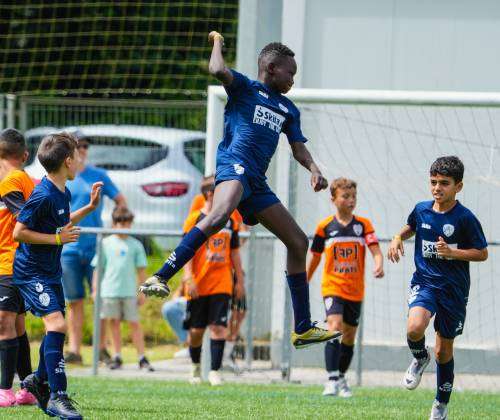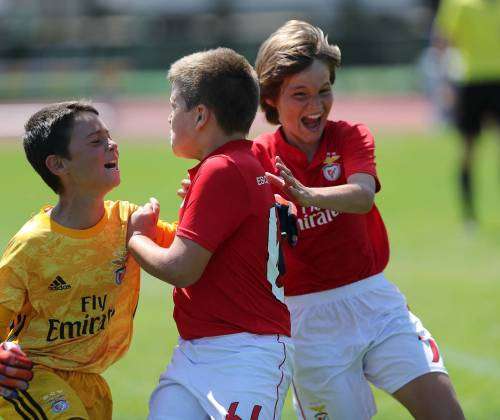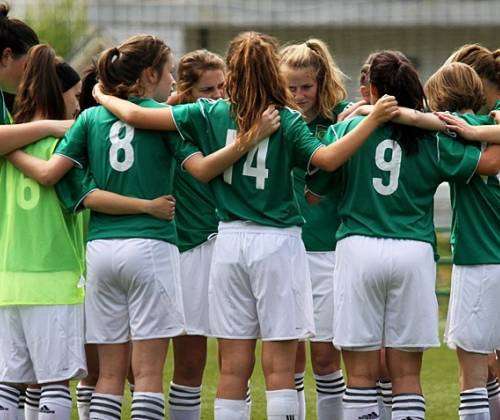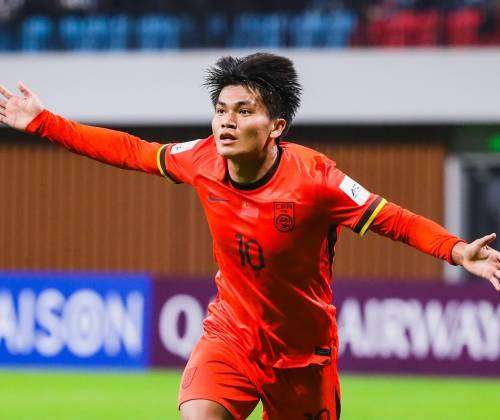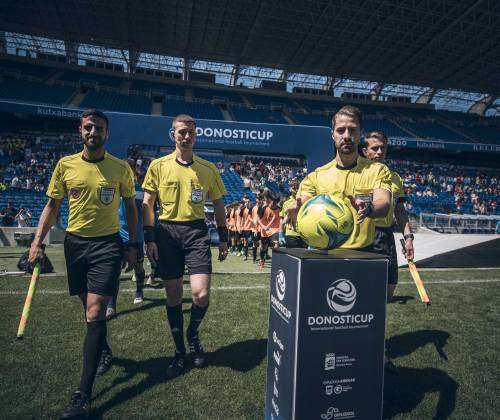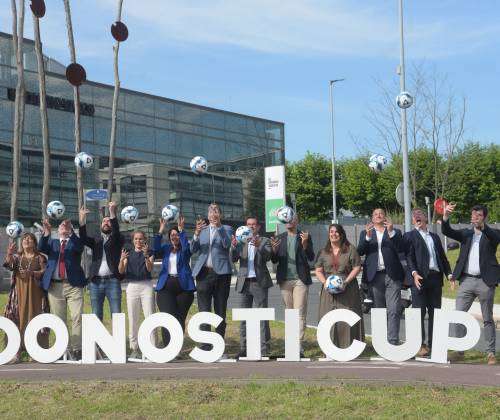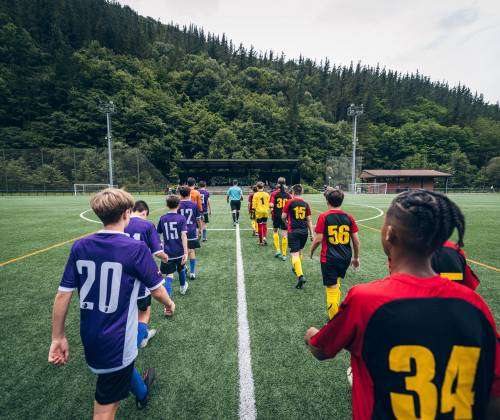

Donosti Cup 2026 celebrates a spectacular Opening Ceremony full of emotion, music and colour
The parade of 32 nationalities, performances by Bombai and Süne, and a spectacular finale of music, dance and lights marked the official start of the tournament's 34th edition.
Donosti Cup 2026 celebrated a spectacular Opening Ceremony full of emotion, music and colour.
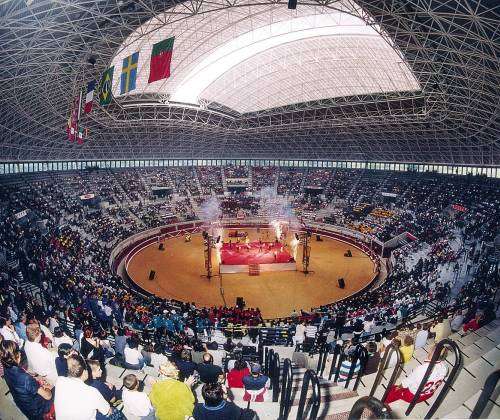
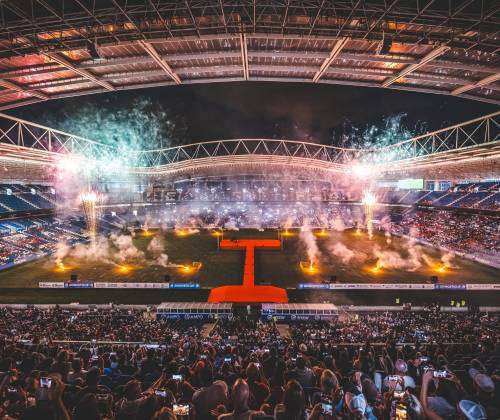
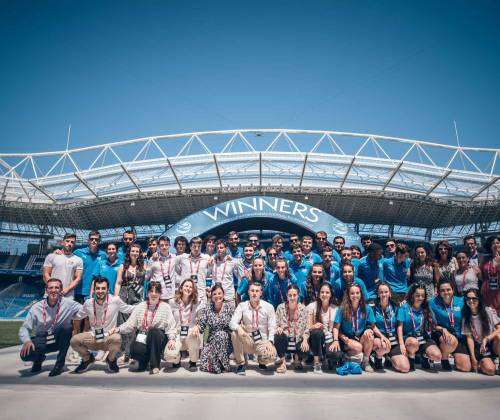
Two ceremonies at Amenabar Arena welcomed nearly 20,000 people and the 912 teams taking part in the most international edition in the tournament's history.
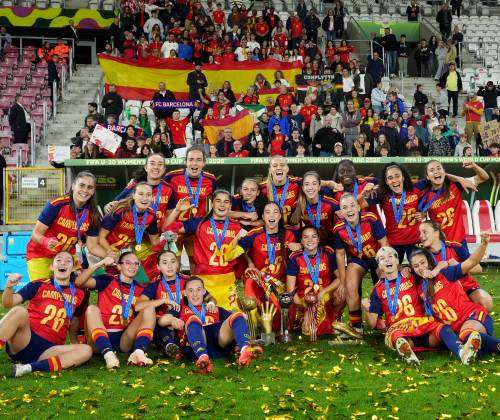
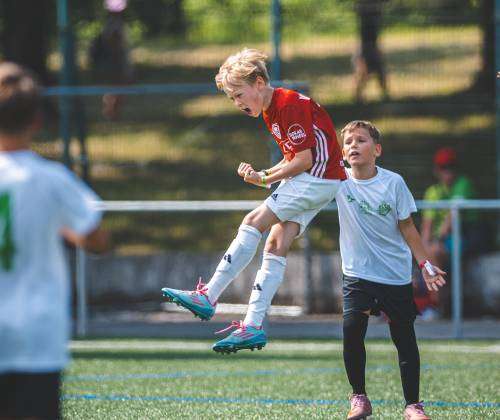
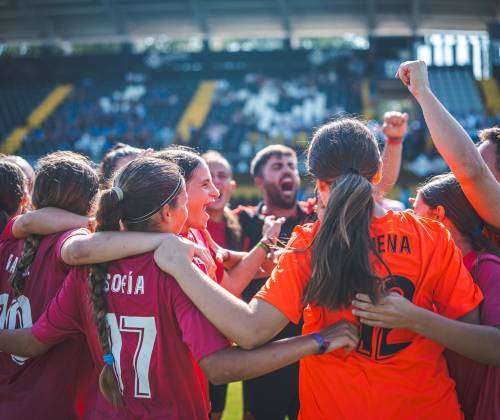
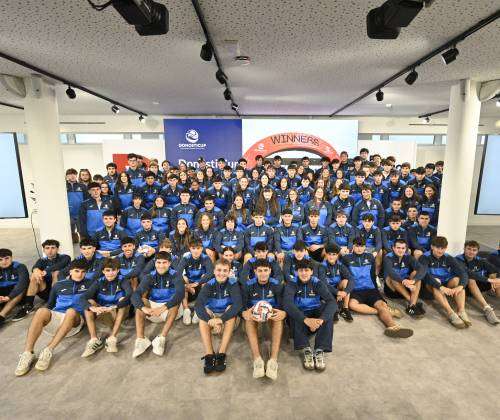
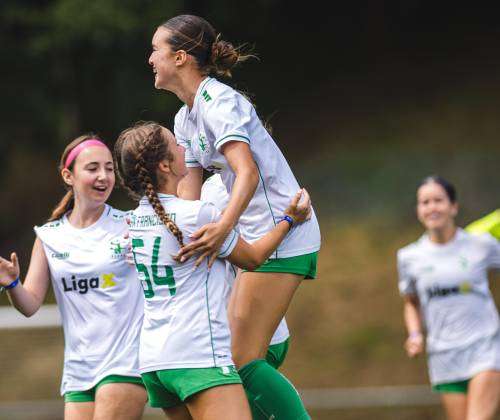
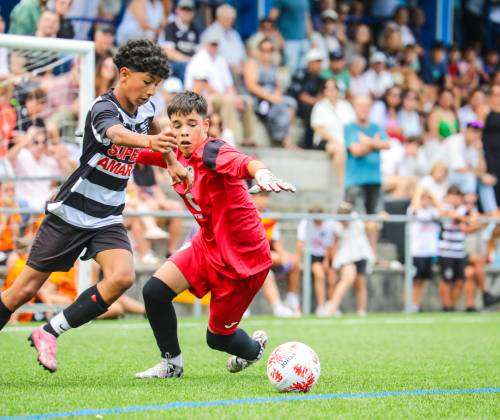
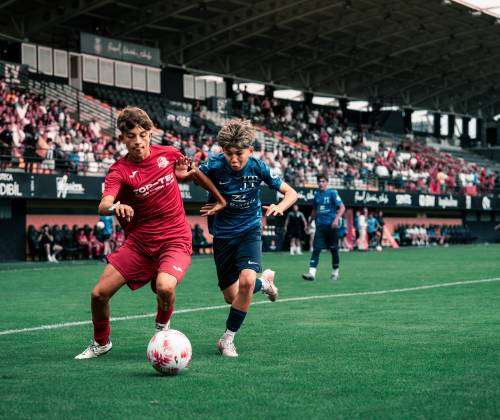
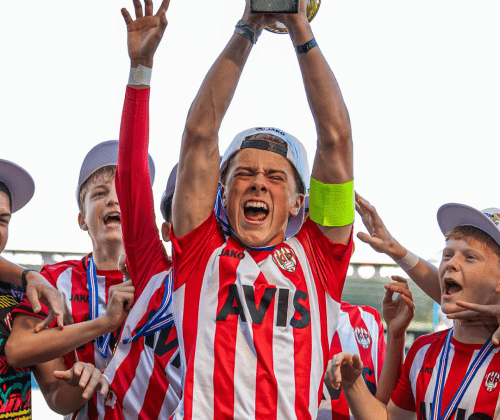
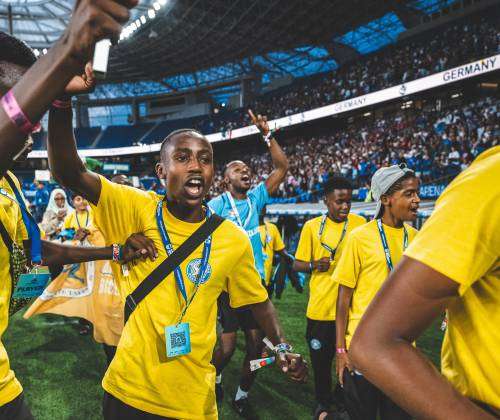
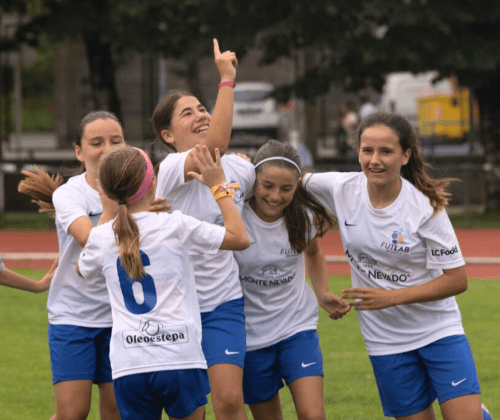
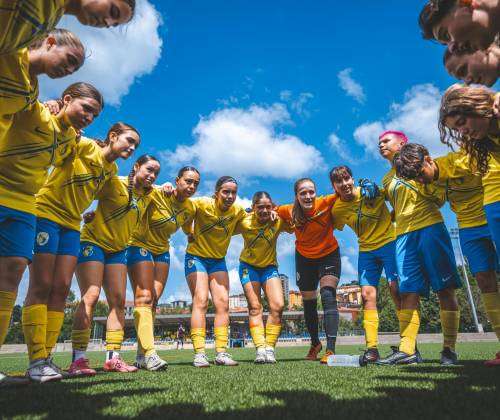
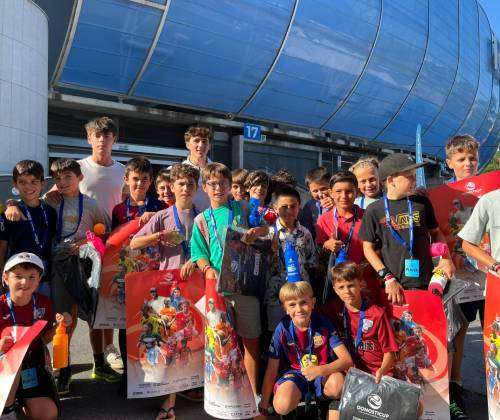
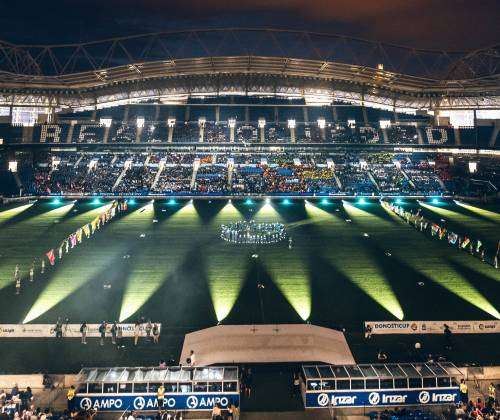
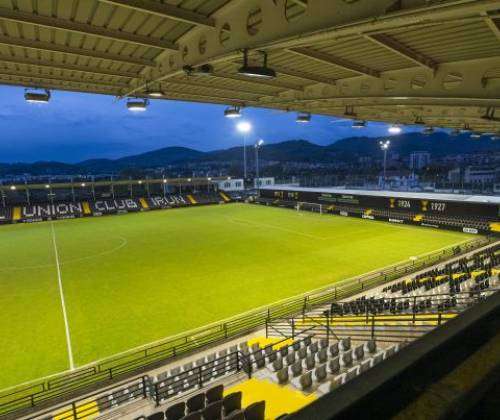
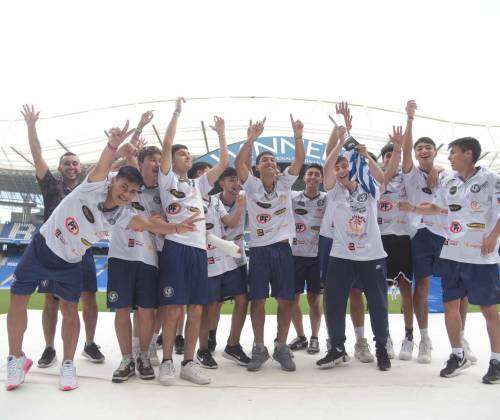
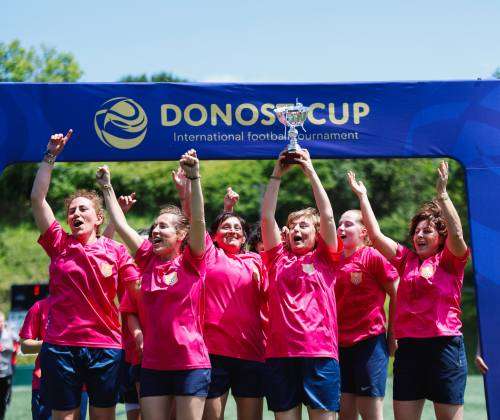
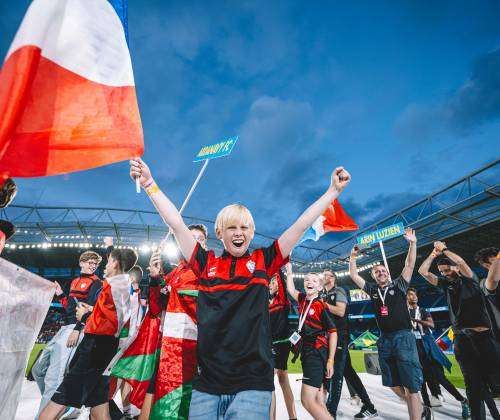
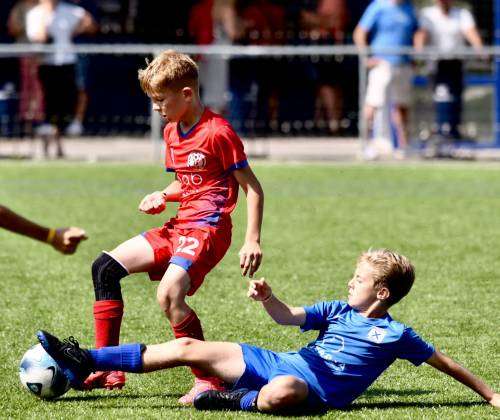
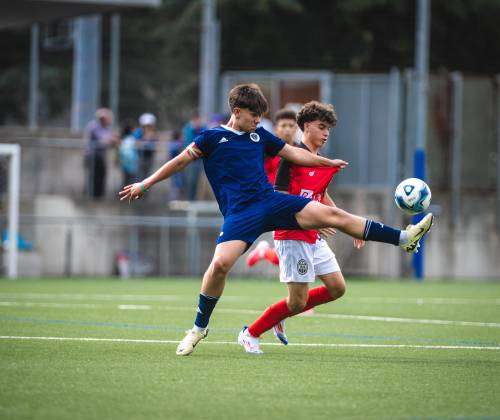
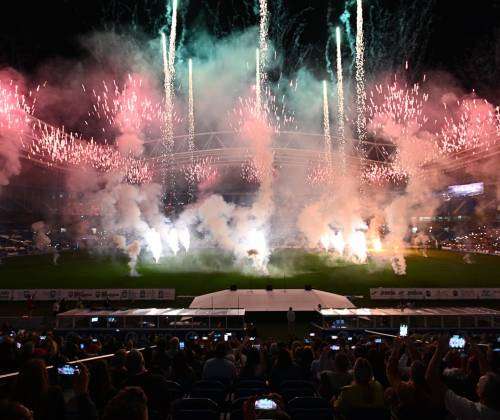
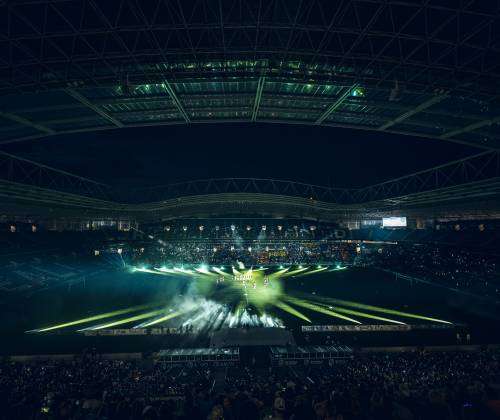
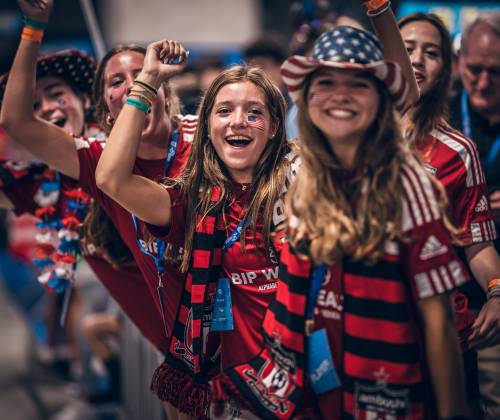
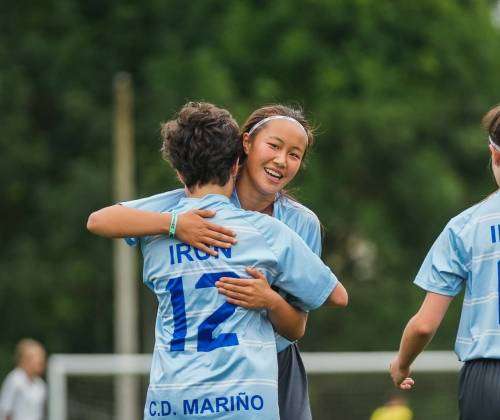
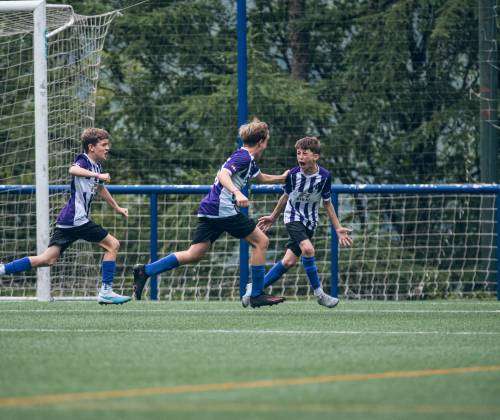
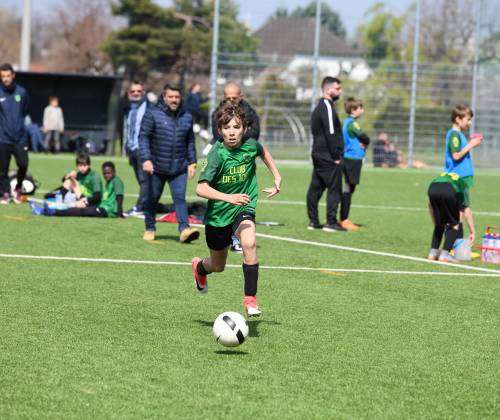
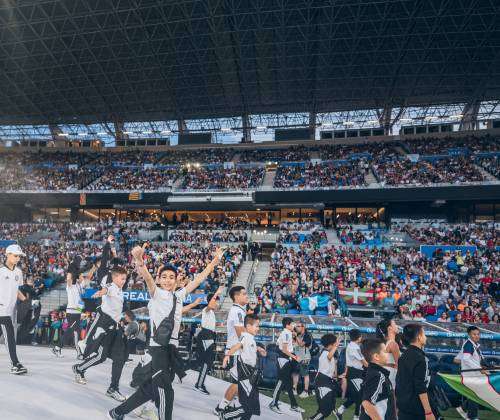
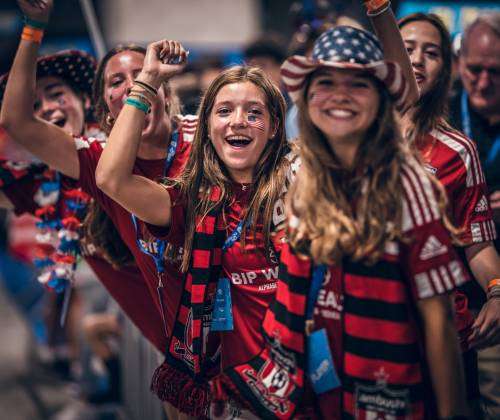
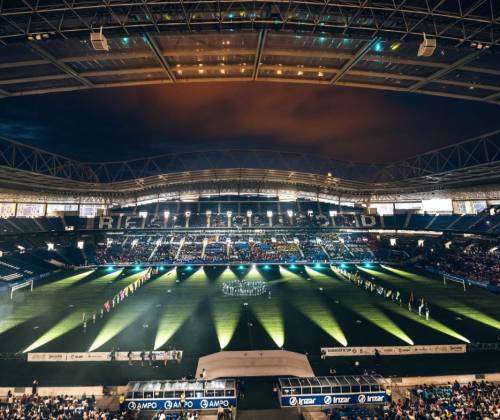
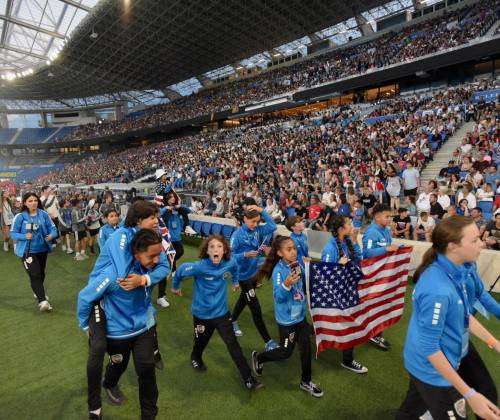
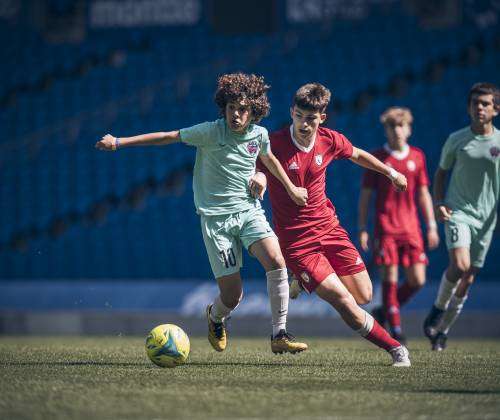
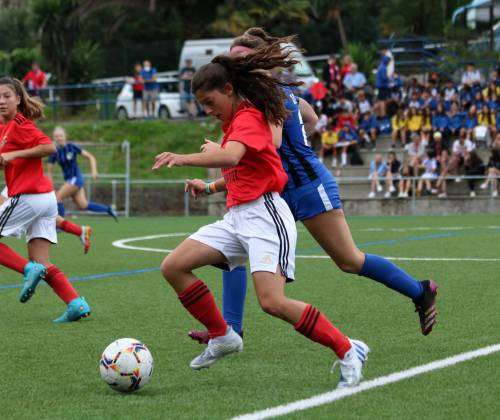
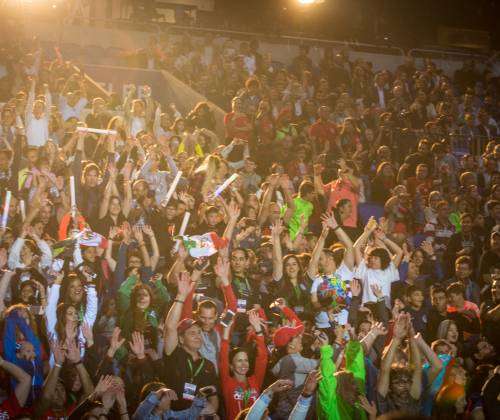
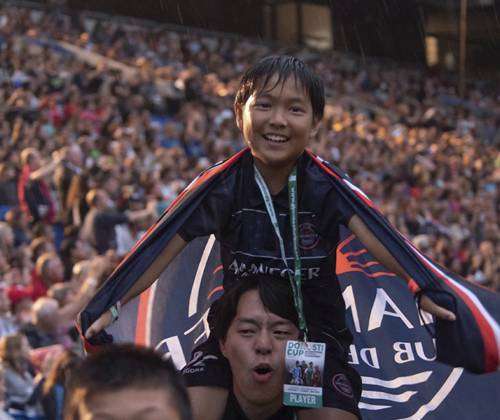
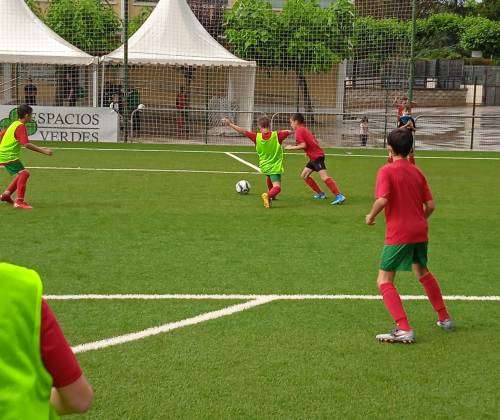
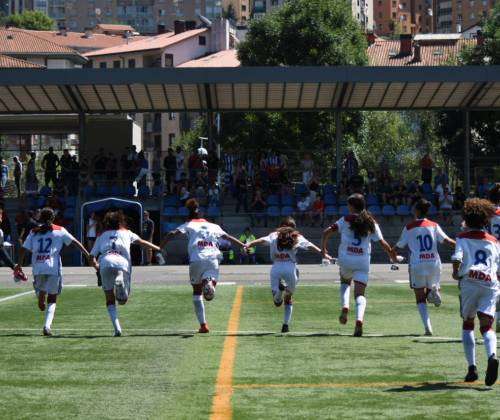
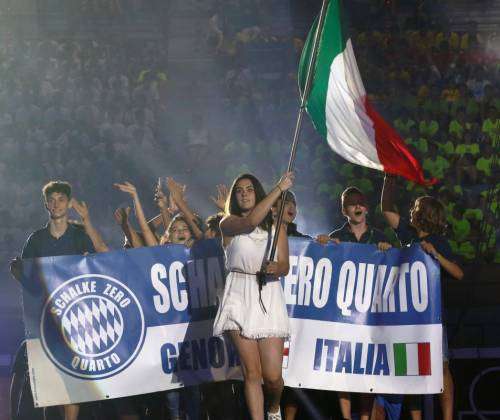
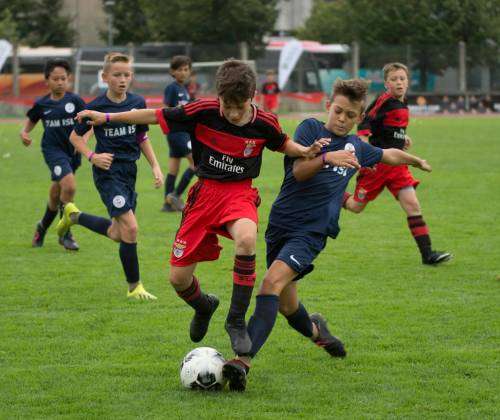
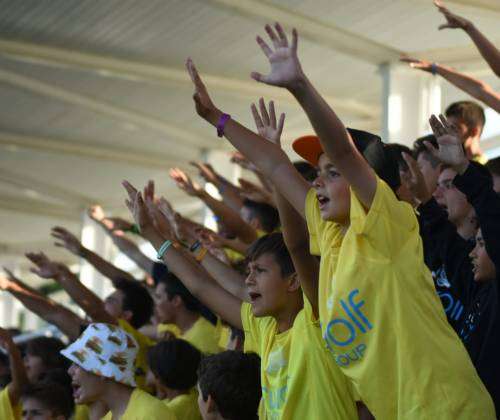
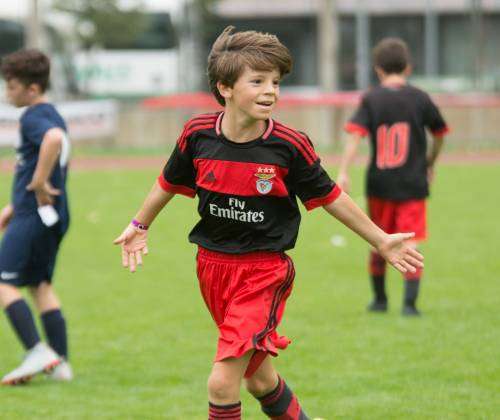
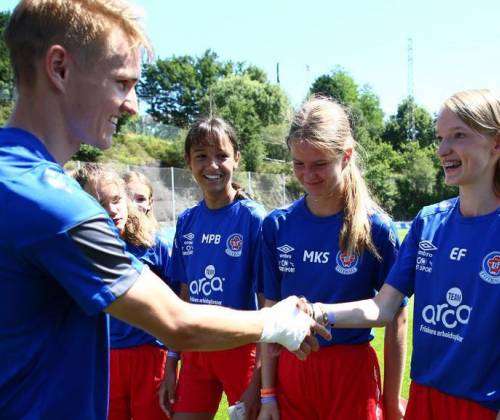
With the competition already underway since early morning across football pitches throughout Gipuzkoa, Donosti Cup 2026 officially celebrated its Opening Ceremony this Tuesday with two events held at Amenabar Arena (Illunbe). The sessions, scheduled for 6:30 pm and 9:30 pm, attracted nearly 20,000 spectators in total and featured almost identical shows, with the 912 participating teams divided between the two ceremonies so that every club could enjoy a unique experience.
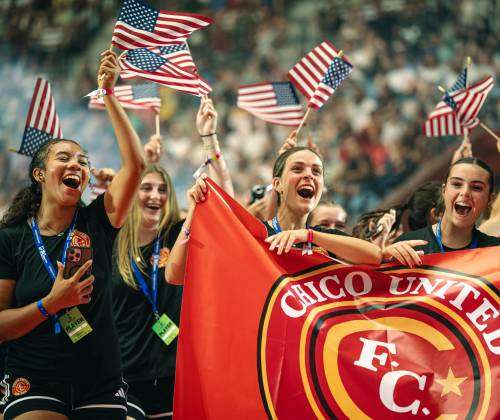
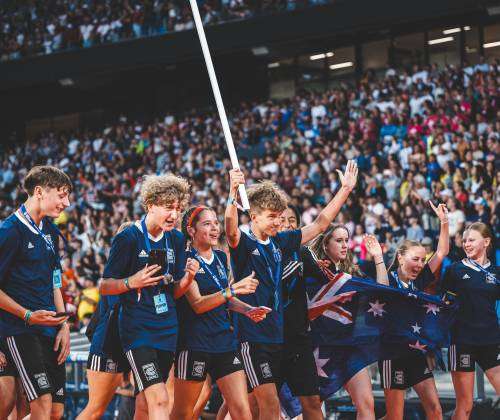
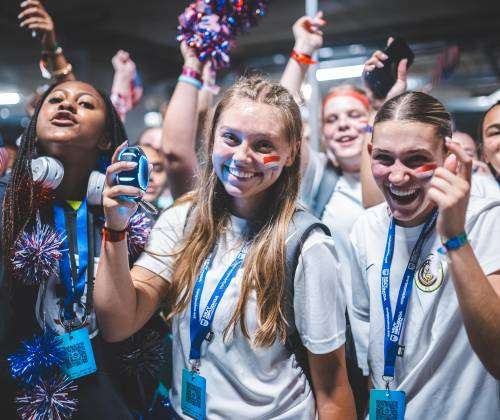
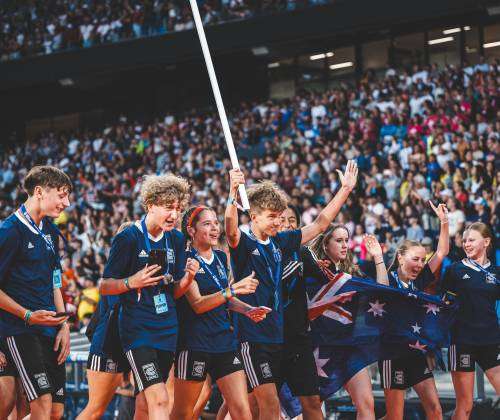
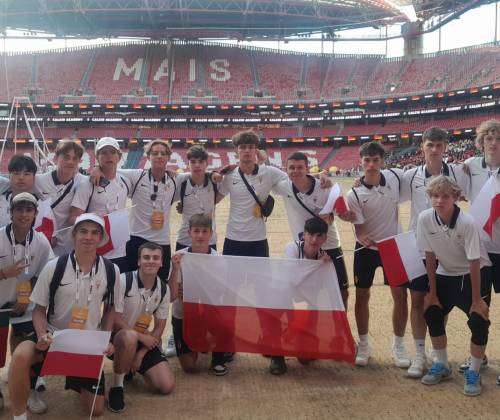
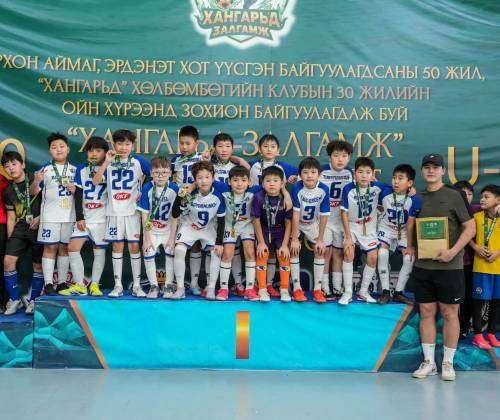
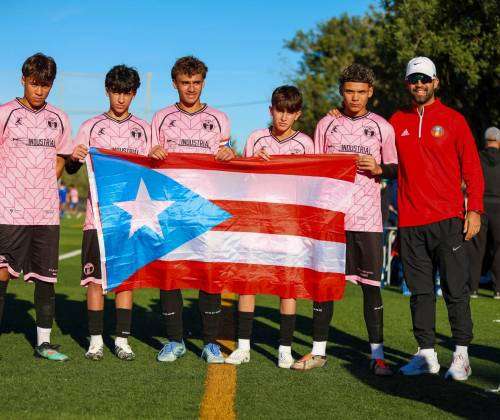
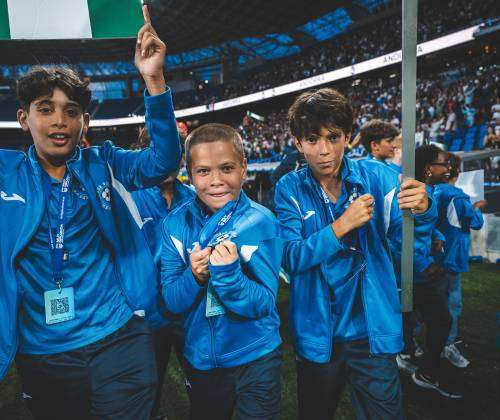
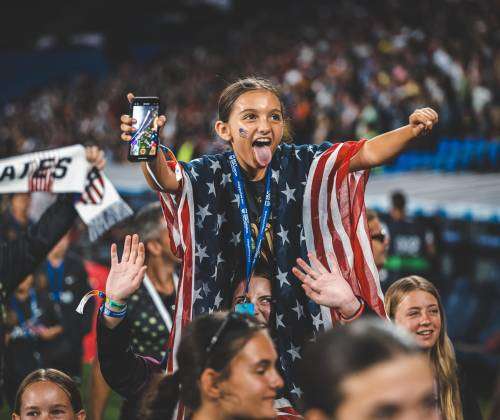
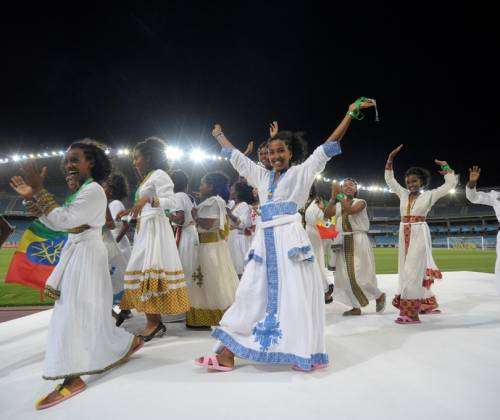
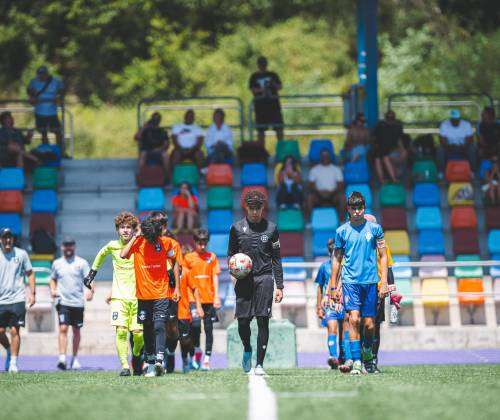
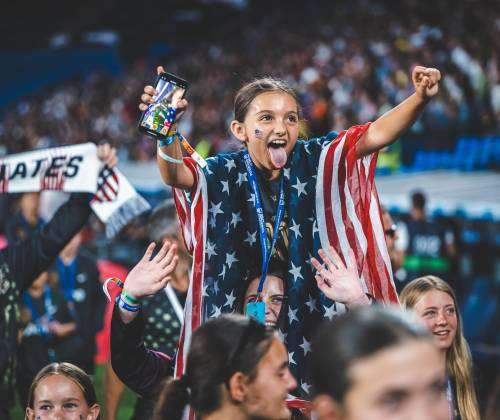
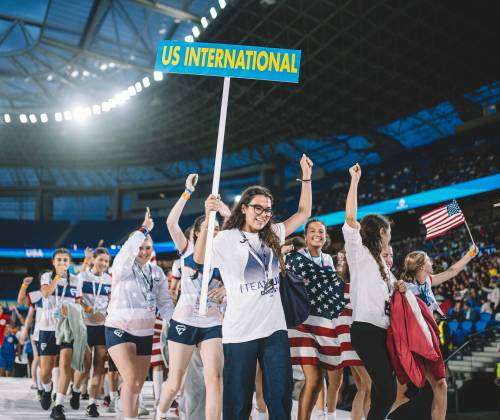
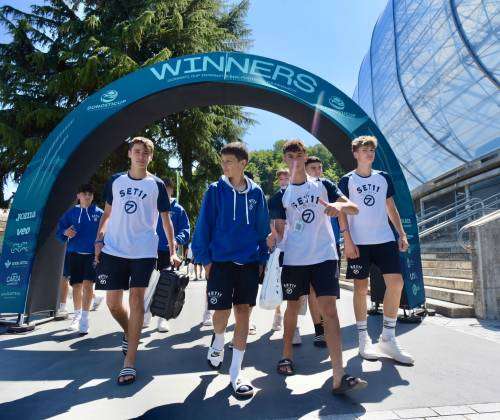
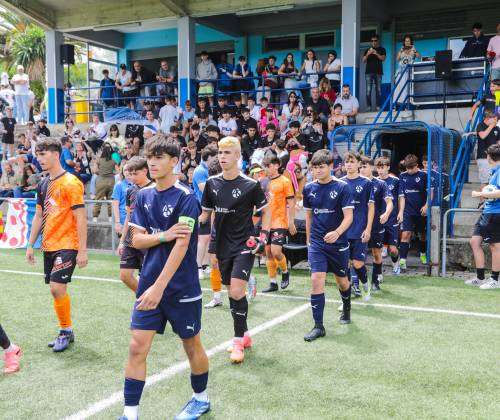
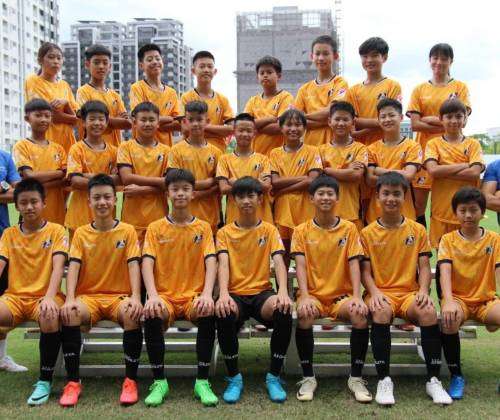
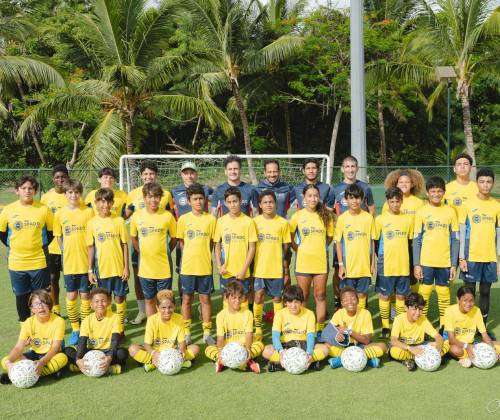
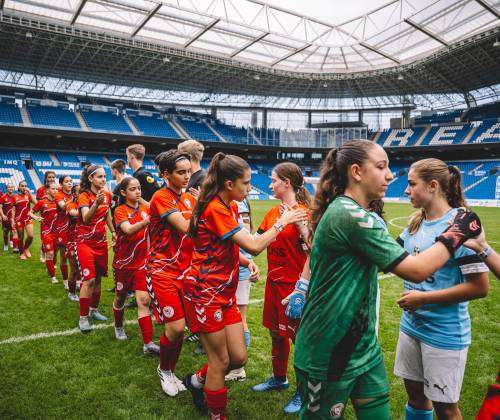
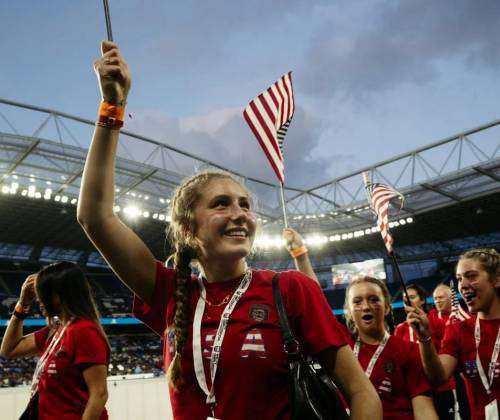
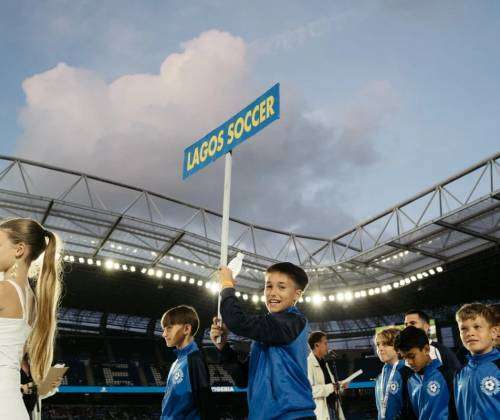
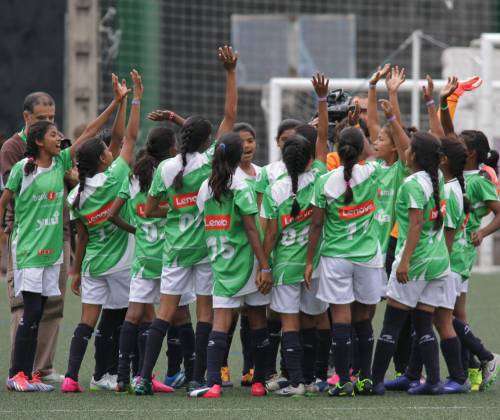
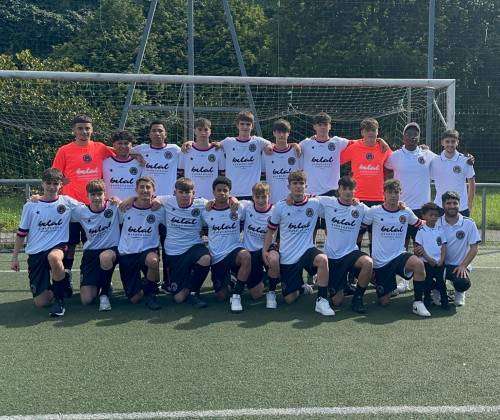
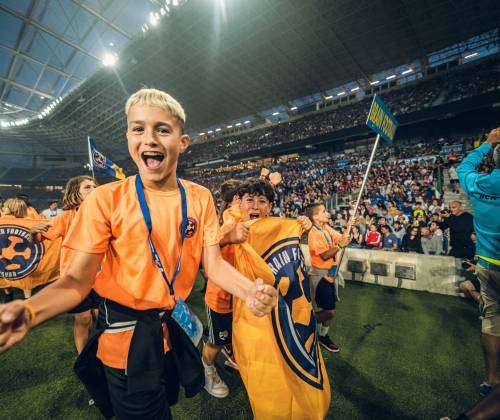
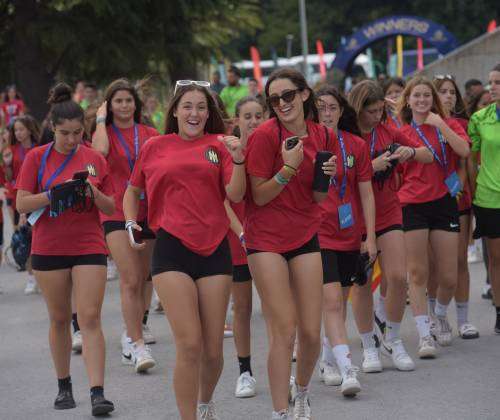
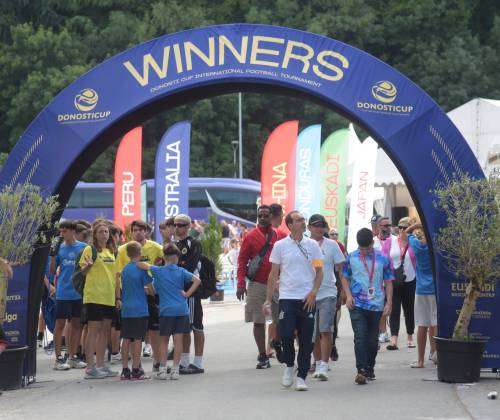
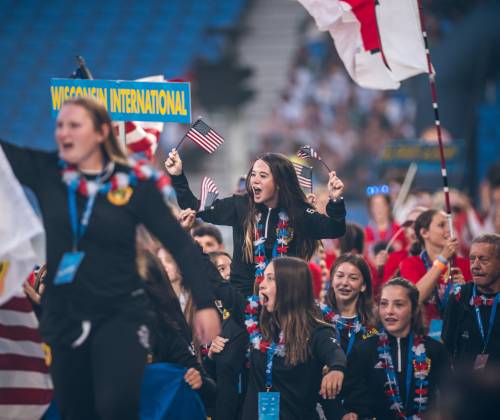
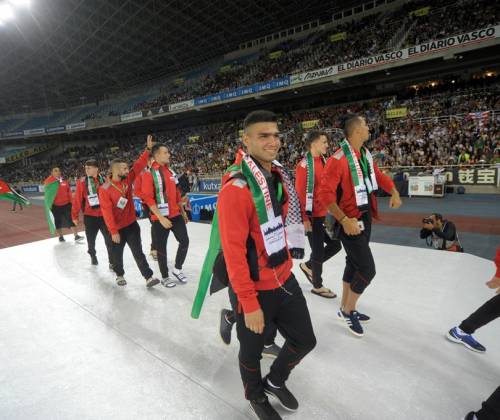
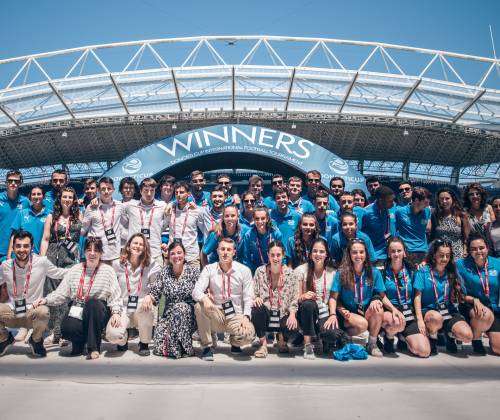
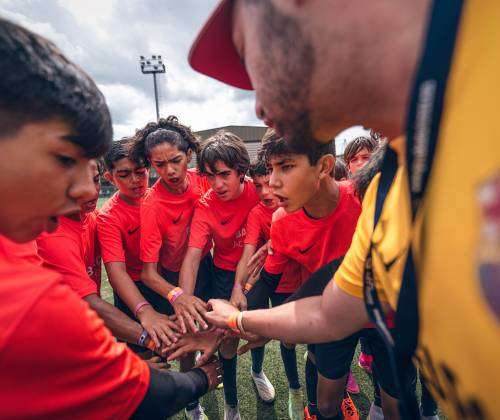
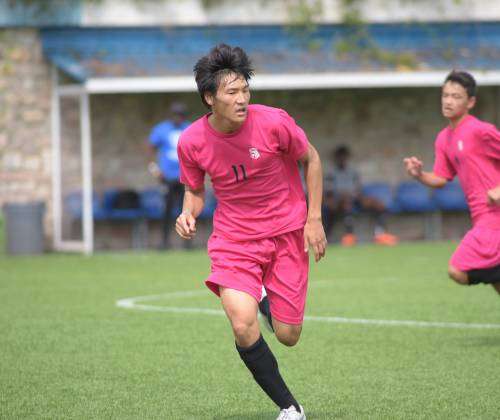
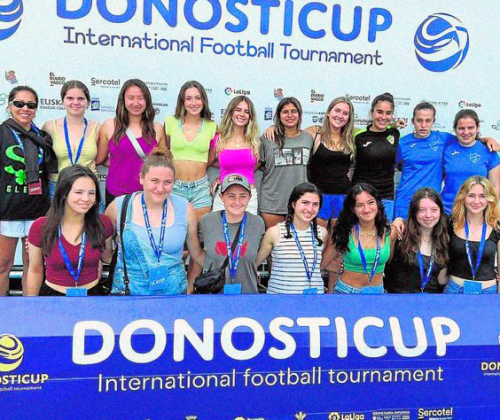
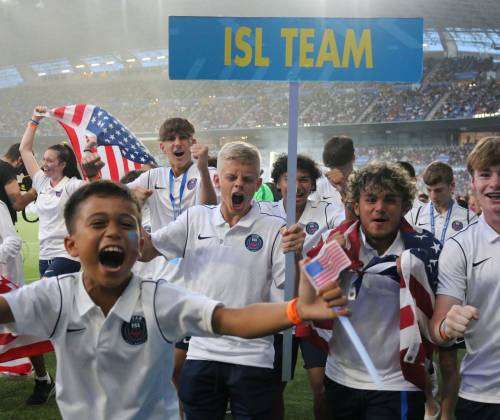
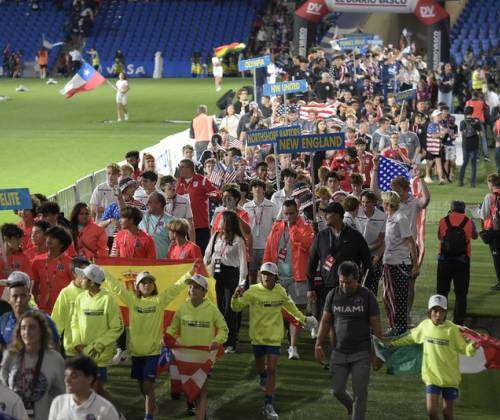
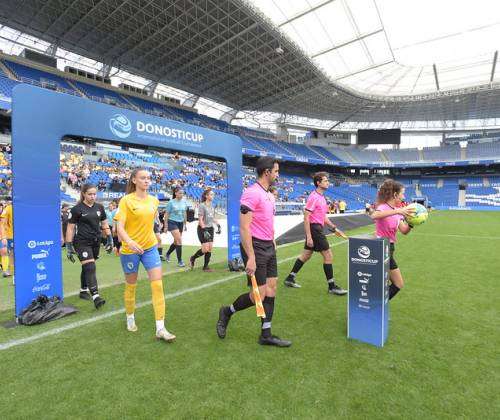
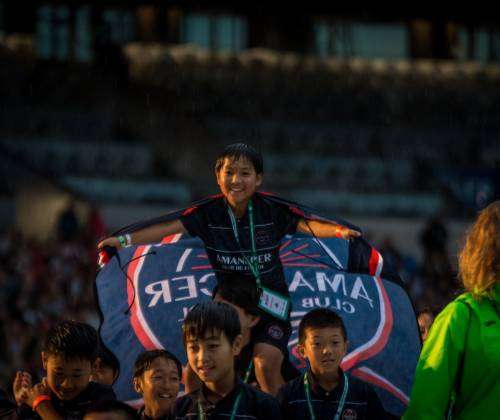
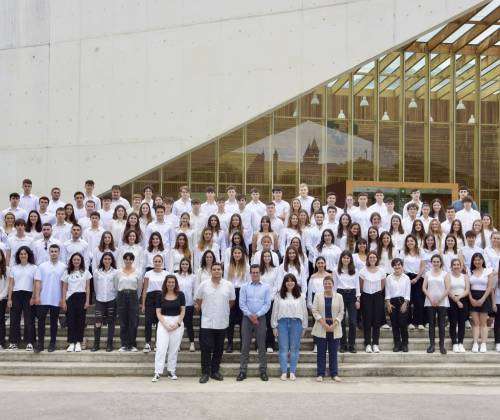
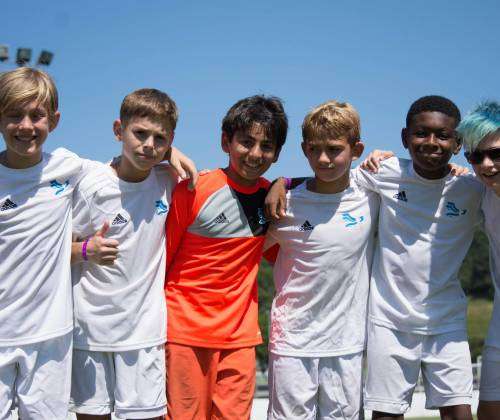
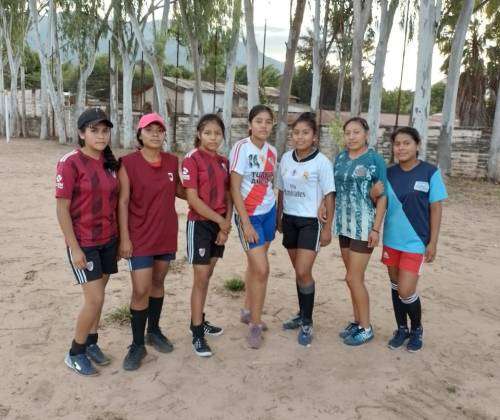
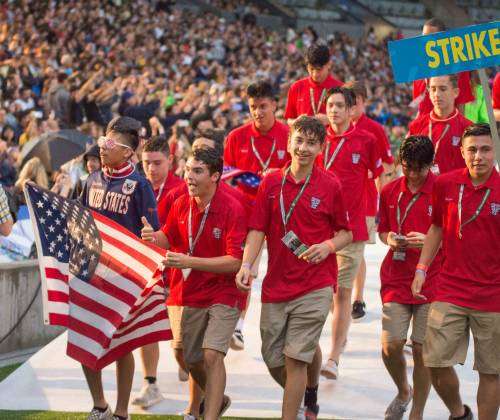
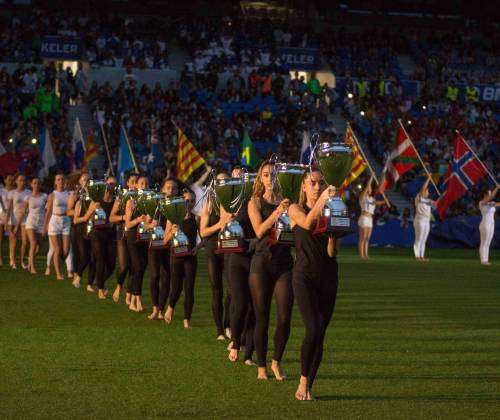
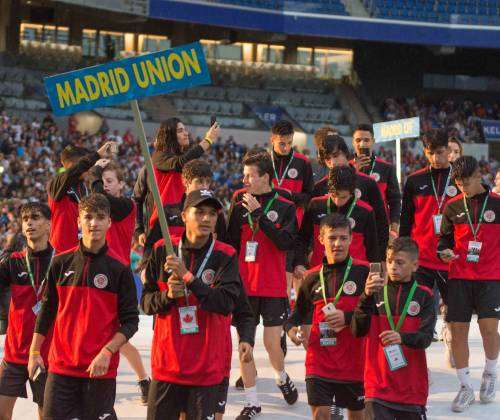
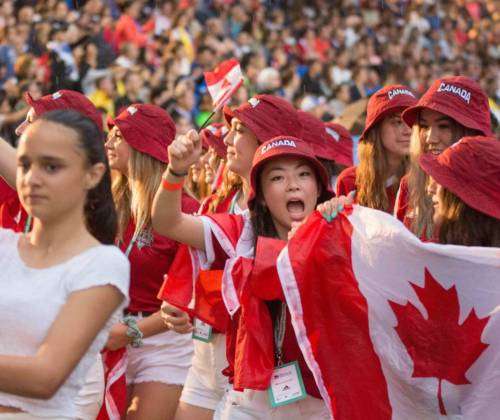
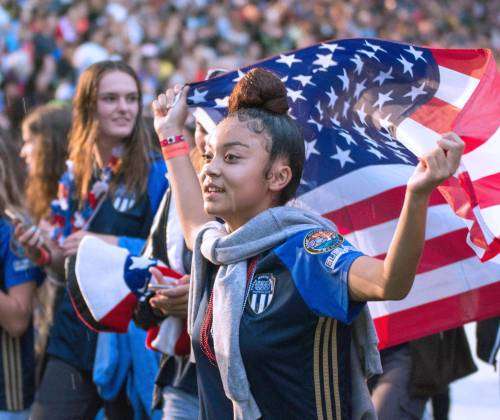
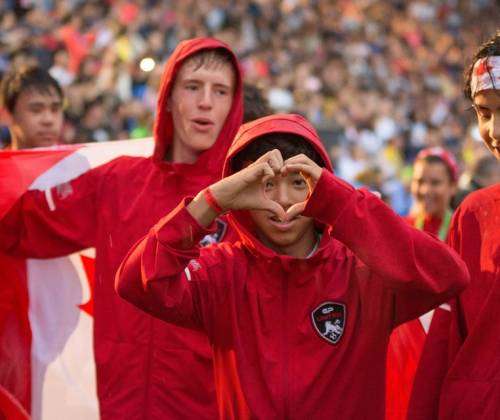
The ceremony began with a spectacular aerial performance by dancer Irati González, followed by the traditional Parade of International Delegations. One by one, club representatives walked across the arena to warm applause from the crowd, representing 32 nationalities in the most international edition in Donosti Cup history. The tournament also welcomed teams from Angola, Hong Kong, Estonia, Mongolia, Malaysia, Poland, Puerto Rico and Uruguay for the first time, further expanding its global reach.
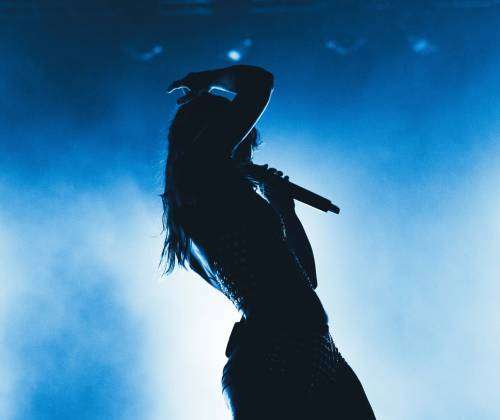
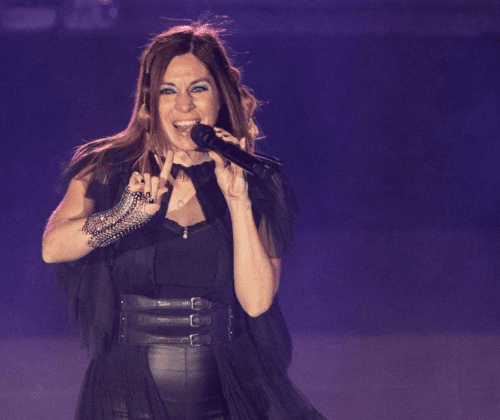
Music once again became the common language of both ceremonies. Following the Parade of International Delegations, the Spanish band Bombai thrilled the audience with its performance. Afterwards came the presentation of the national teams, followed by an emotional performance from Süne, celebrating Basque culture and identity.
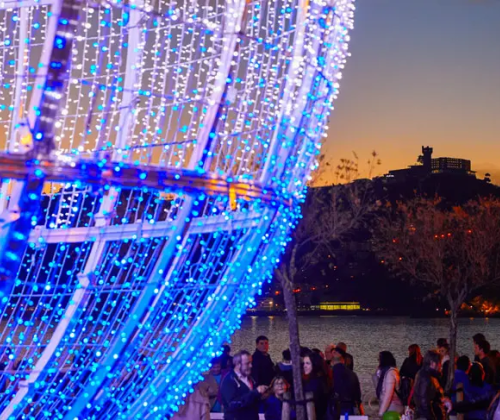
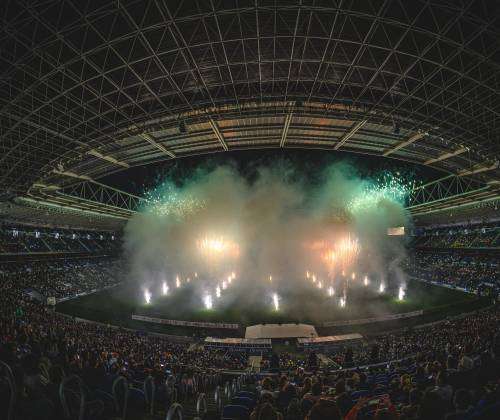
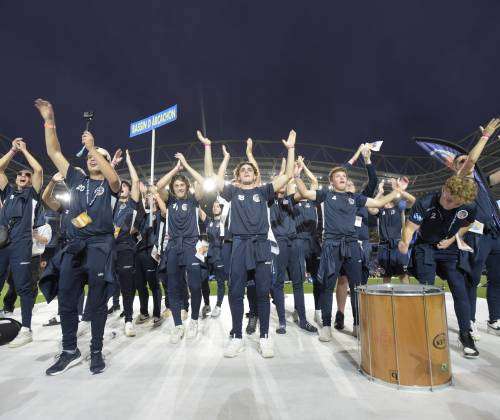
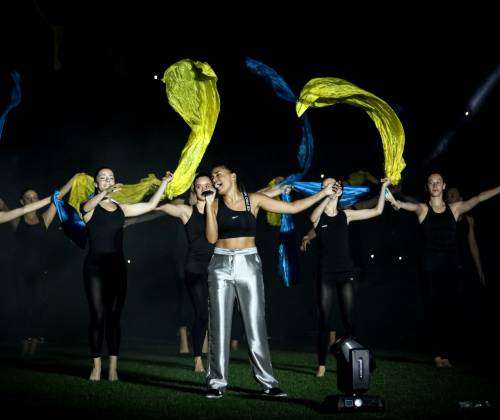
The grand finale was delivered by Bamboo Dance, whose spectacular performance of music, dance, lighting and visual effects brought the ceremony to a memorable close. As has become a Donosti Cup tradition, I Will Survive once again played at the end of both ceremonies, creating an atmosphere of celebration, togetherness and friendship.
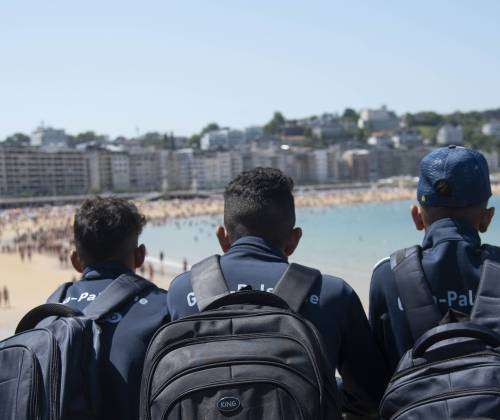
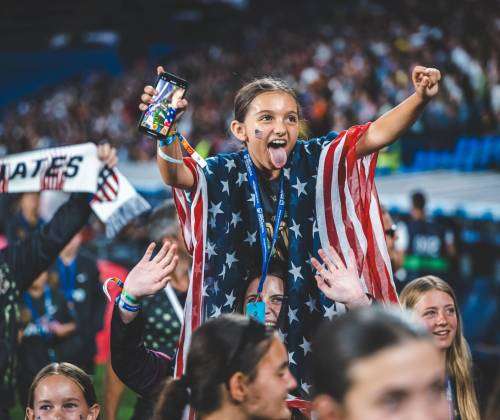
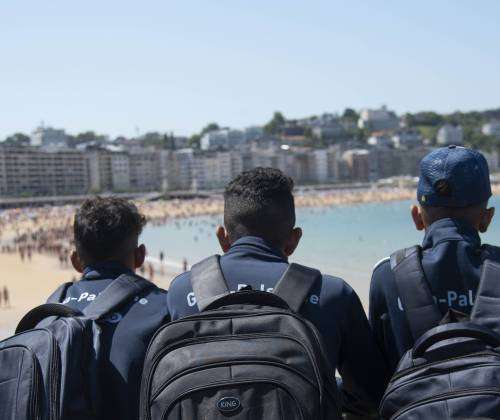
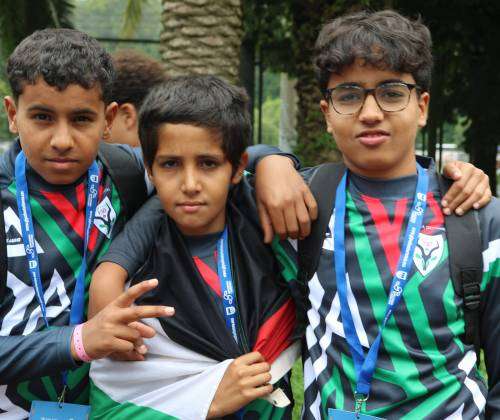
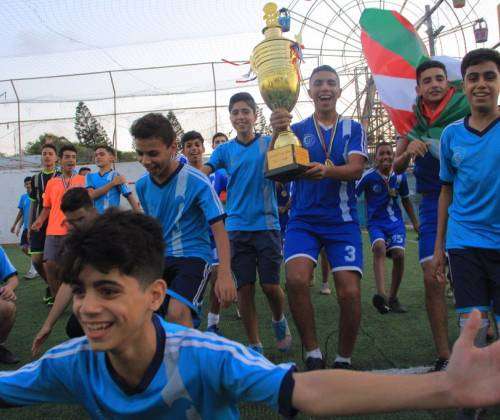
Both ceremonies also produced some of the evening's most emotional moments during the Parade of Delegations. The Venezuelan delegation received a warm ovation from the audience, while the Palestinian team, returning to the tournament after several years away, was welcomed with prolonged applause, reflecting the spirit of respect and unity that defines the Donosti Cup.
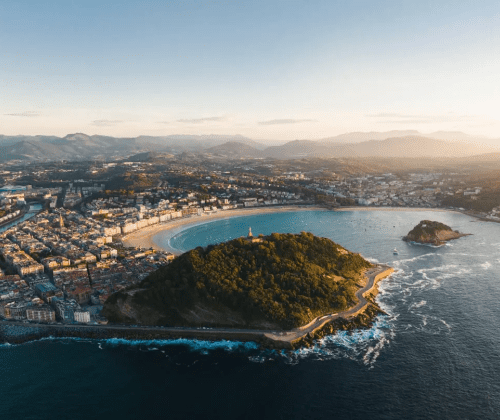
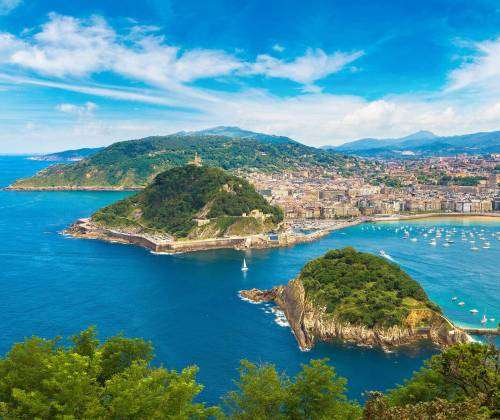
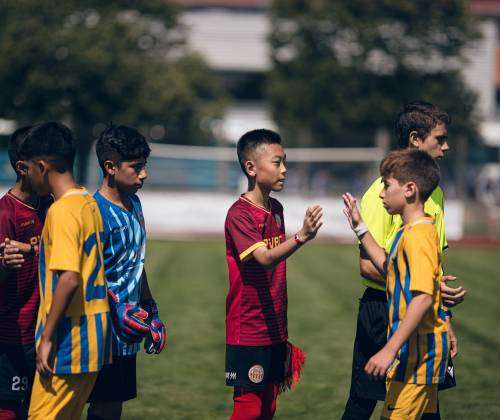
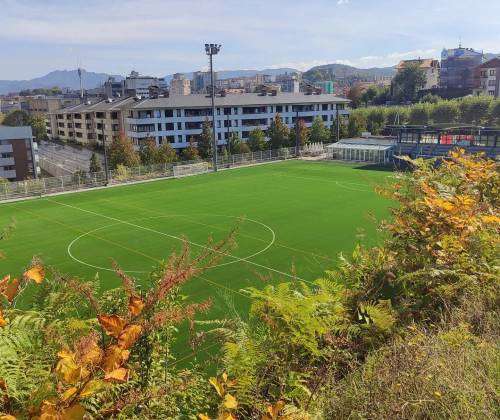
Although this year's ceremony was moved to Amenabar Arena due to the renovation works at Anoeta Stadium, the essence of the event remained unchanged. The two sessions allowed every club to take part in the traditional parade and enjoy a show combining music, sport, culture and emotion. Once again, the Donosti Cup turned San Sebastián into the meeting point for international grassroots football and sent a message of coexistence, diversity and friendship to the world.